The Most Dangerous Word

And why we need to catch ourselves saying it.

Friends invited me out for dinner. Weeks before, we’d originally had plans for them to head over for brunch.

“I’m making homemade waffles and smoothies,” I’d said.

Only the day of the brunch found me flying to Florida to see my father in the ICU.

Last night, at our dinner, I found the following words percolating in my head:

“I should be able to have them over by now. Why am I so tired? So overwhelmed?”

I didn’t say these words aloud. Keeping them silent only made a looming sense of failure inside of me fester. With my unspoken self-recriminations yakking away, I vocalized the following to my friends:

“You can come over for brunch next weekend. Let’s do that!

The Most Dangerous Word

Did you catch the word yet? Whether merely thought (as I had) or spoken, the word we need to be vigilant of is SHOULD.

Should arrives with verbal tentacles that carry guilt and shame.

Should is an emotional lever that heaps blame and obligation onto our psychological shoulders.

When we think from a place of should, we are subconsciously telling our psyches we aren’t enough. 

Should is the barbed wire of self-compassion, thwarting our ability to listen to our intuition.

Planting New Seeds

Should is a weed of a word, surreptitiously preventing our emotional garden from flourishing.

We can remove the “shoulds” in our garden and replace them with words that nourish like need and want:

Of course I’m overwhelmed and exhausted. It’s not even a month since my father left this Earth. I want to make a brunch for my dear friends but now is not the right time for me. I need time: time to linger in my pajamas longer, time to curl up with a good book, time for long walks that go nowhere, time to devour a sleeve of Oreos.

By yanking out the albatross of SHOULD and replacing it with the seeds of WANT and NEED, I feel lighter and flooded with self-compassion.

Where Does Should Emerge in Your Life?

Where does the lurking word of obligation sneak up in your life? It may be something seemingly innocuous as:

“I should floss my teeth every day.”

But the statement, however genuine, lingers with the fresh scent of guilt. Instead, we can say:

“I want to floss my teeth every day.”

or

“I need to floss my teeth every day.”

I challenge you to observe the words you use, catching yourself when you use or think the word should. The word might seem innocuous, but it has the potential to subtly cause a sense of obligation, shame, guilt, or blame.

When we say:

“I need to…”

there’s a sense of responsibility.

Should takes that responsibility and serves up an unsolicited side of guilt.

What do you want to do? What do you need to do?

Empowering questions for an empowered soul.

Relationship Choosing is HARD

Jordan always opened the car door for me. He said all the right things: asking how my day was, complimenting how I looked, asking me on another date.

But he also refused to kiss me after I’d eaten shrimp.

“You want to kiss me? You’ll have to brush your teeth first. Shrimp isn’t kosher.”

His words made sense from a logical standpoint: shrimp is shellfish and Jordan eats kosher.

Yet from an intuitive, gut-level, Jordan’s words felt judgmental and controlling.

Intuition Whispers

Intuition (typically) doesn’t scream. No, intuition is that sweet friend at a party that whispers you have a poppy seed stuck between your two front teeth. 

Our intuition speaks to us through feelings.

At first, those feelings are subtle. And that’s when it’s the most important time to pay attention.

The actions of another matter more than words.

Jordan said all of the “right things, but his actions told me everything.

What is Intuition Anyway?

The root word tuit is from the latin word tueri which translates to tutor and means “to look at or watch over.”

Our intuition is us going within for counseling our guidance.

My intuition told me to heed the feeling of constraint and judgment I felt based on Jordan’s actions.

And yet, I ignored my intuition. I pushed it away and focused on the external. I choose to see only Jordan’s:

  • full head of blond hair that I loved running my fingers through
  • green eyes light up when I entered a room
  • kisses that left me swooning

Youth is no excuse, but I was very young at the time. 

There is a tendency in youth to possess an affinity for the external of things.

I brushed my teeth, shoving down the bitter taste I felt despite my minty fresh breath.

When We Ignore Intuition

Jordan started saying things that made me feel like I was in a snow globe: his words both haunting and hypnotic.

“I want to take care of you. I want to put you up on a shelf.”

When were about to meet his parents, Jordan insisted we go clothes shopping for me.

Me:“Why? I have plenty of clothing.”

Jordan: “I didn’t want to say anything, but it’s the way you dress. My parents are conservative. I don’t want them to get the wrong impression about you.”

Again, my intuition spoke to me; only this time it was more of a poking, sickening feeling. It said:

You can dress however you want to. This man does not get to decide what you wear. 

Still, I ignored my intuition’s pokes and jabs for me to “wake up” and wore “Jordan Approved Clothing” to meet his parents.

The bitter taste of shame from when I brushed my teeth to please Jordan tainted everything I ate that night.

Intuition Never Gives Up

I am not ready to share the final straw that broke me open, but I will note:

Our intuition never leaves us; it only grows louder with time.

It would be almost two decades before I finally listened to my intuition. Two decades of:

  • the waves of shame and judgement 
  • living under Jordan’s figurative thumb
  • physical ailments
  • low self-esteem

Our body develops an affinity for sickness when we depend on another for our self-worth.

Intuition speaks to us by highlighting those negative feelings and outward symptoms. It offers more and more unpleasant sensations, unrelenting until we are ready to pay attention and change course.

The Danger of Running from Loneliness

I met Jordan after losing someone very close to me.

Mourning is not a good time to start dating.

I was in terrible emotional pain over the loss of someone dear to me. I wanted something to stop the palpable sense of “aloneness” I’d felt.

When we feel lonely, it is important to acknowledge the feeling, lean into it, embrace it.

There’s a lesson in every emotion. It’s there to teach us something about ourselves.

Our intuition wants us to acknowledge the good and bad feelings that come up in life.

But I didn’t want to feel the pain. I wanted anything and everything to take me in and never let go.

Not the best time to date. It’s no wonder I attracted someone who wanted to put me on a shelf.

When we run from a negative emotion, we ironically, invite it to stay longer.

It wasn’t until I went through the pain that I began to discover peace.

Relationship Choosing is Hard

Relationship choosing is HARD! 

The prefix RE means back or again.

When we enter into a relationship, we are literally seeing a reflection about who and where we are in our life’s journey.

  • Someone is rubbing you the wrong way? There’s a lesson there.
  • Find yourself attracting controlling people? There’s a lesson there.
  • Feeling misunderstood by your partner? There’s a lesson there.

And if you are feeling lonely, there is a lesson there as well because:

The most important relationship you will ever have is the one with yourself.

When we fall in love with ourselves, discovering and embracing all of our facets, our intuition thanks us with those good-feeling vibes we are craving.

When self-love is at the helm of our spiritual ship, our internal compass steers us right where we need to be, again and again.

So, the next time you find yourself feeling something less-than-pleasant from a loved one, ask yourself:

What is this feeling showing me?

Self-compassion is the cornerstone for hearing our intuition. It offers us the sacred space to honor what we are experiencing, without judgement.

*Name has been altered for privacy.

My Therapist, Kenny Rogers

The late Kenny Rogers recently made an entrance into my life.

Maybe it’s because he knew I needed some help.

The singer and songwriter’s lyrics whispered to me like a forgotten dream:

“I’ve made a life out of readin’ people’s faces, knowin’ what the cards were by the way they held their eyes. So if you don’t mind my sayin’, I can see you’re out of aces.”

How’d Kenny know I was out of aces?

Kenny Roger’s Wisdom

To live means risk. Life hands us a deck of cards. Some of those cards are desirable; some are the kind you want to hide from the world.

The cards life deals us are always changing. And one person’s perception of fortune can be another’s confirmation of failure.

How we perceive life’s cards makes all the difference.

Kenny’s lyrics reminds us that our attitude affects a great deal of our outcome.

If we believe we are out of aces — opportunity or fortune, it will show in our body language.

The Problem

A family member called me a couple of times while I was at work to tell me:

“It’s your birthday soon. Here’s what you are going to do. Here’s when you are going to do it.”

It’s worth noting: I had told my family I had a big work event and not to call me that day.

This family member not only didn’t respect my reminder not to call that day; they called me twice, finally leaving a text message that their “plane tickets” were all booked and now they were waiting for me to book mine.

There was never any question such as:

  • Would a trip on this day at this place work with your schedule?
  • What would you like to do for your 50th?

My Therapist, Kenny Rogers

I was annoyed that this family member was dictating how I “should” celebrate my birthday.

There’s something about turning 50 that feels symbolic. It’s the chronological wake-up call to take stock of life, standing on the precipice of life’s past and the unknown future left.

“I don’t want them telling me what to do or how to celebrate my birthday!”

Thankfully, I had my dear therapist, Kenny Rogers to offer his gambling wisdom:

“You’ve got to know when to hold ’em, know when to fold ’em, know when to walk away, and know when to run.”

And Kenny’s sage advice continued:

“Every gambler knows, that the secret to surviving’ is knowin’ what to throw away and knowin’ what to keep.”

Mic drop, Kenny Rogers. Man does he know his stuff.

Life’s Gamble

The family member who made my blood pressure rise has a huge heart.

And here’s the truth: no one can make us angry unless we allow it.

An Australian army nurse, Elizabeth Kenny once said:

“He who angers you, controls you.”

We are all diamonds in this life, coming into this space and time with many facets. Sometimes, the less attractive facets shine brighter than others.

The facets we choose to focus on determine our life’s experience.

I could choose to focus on my family member’s controlling personality facet, or I could decide to lean into their big heart.

Our challenges are either “winners or losers”, depending on how we perceive them.

Kenny Helps Me Decide How to Play

Kenny helped me see that my family member is nothing more than a little child in a grown up’s body, so eager to see me and celebrate my birthday, they forgot things like:

  • boundaries
  • considering my perspective

There is no malice to this family member. I’ve often thought of them as bull in a china shop: opinionated, loud, and clueless to what they are psychologically knocking over in their wake.

This person puts everything into their family. And sometimes that means missing the forest for the trees.

So, I’ve decided to turn 50 in the location they’ve told — er, strongly suggested. My ticket is booked. I will get to be surrounded by family I miss like crazy.

I’ve let go of the need for this family member to be a “winning card” on my terms and accepted them for where they are right now.

I’ve let go of the need to “change my hand”, appreciating the family deck just the way it is.

For this round of life, I’ve decided to hold. And it feels pretty darn good.

*Kenny Rogers’ lyrics are from The Gambler

MENTAL HEALTH

The Doctor Will See You Now

Finding insight and healing in writing

We can attend to our inner wounds through self-reflective writing.

The boy sat staring at the blank page in front him, while his fourth grade peers wrote with gusto.

One word came to mind as I took in the 9-year-old with gripped pencil in hand:

fear

Writing as a Vehicle

The students were filling in their journals, writing about their family members. Kids were smiling as they wrote about their parents, siblings, and cousins. The giddiness in the room was palpable.

Writing about ourselves is a powerful vehicle for self-discovery.

Still, the 9-year-old-boy with the gripped pencil remained staring at the untouched page.

Me: You okay?

Student: I don’t know if my dad is a family member. My mom said, I can’t see my dad anymore and that he’s no longer my dad. So, do I include my dad?

Ouch. 

Sometimes, the vehicle of writing brings some rough terrain.

Fostering Self-Discovery

Education is all about offering tools to empower. Writing is one of those foundational tools. Our world is literally built on words; it is the machinery that drives innovation and self-awareness.

The young student’s question offered an opportunity for him to self-reflect and find the answer within.

Me: That depends. What do you think? Do you think your father is still your father?

Student: Yes.

Me: Then that’s your answer.

Writing LightBulb Moments

Immediately I saw the boy’s eyes light up, his pencil no longer gripped with fear, but instead, moving with great energy in the no-longer empty journal.

When we lean into the painful questions through writing, sans judgement, aha moments abound.

Writing puts us in the driver’s seat of our life. It offers an opportunity for us to slow down and consider what we think, not what the cacophonous world at large says to think.

When we go within to write, we literally slow down our brain waves and decrease anxiety. Slowed down, we find space to explore problems from a greater creative perspective.

Writing as Therapy

The 9-year-old student was eager to share his family tree and some of their personality traits with the rest of the group. The once anxious face he carried was now emanating pure joy.

Writing offers us the opportunity to go within for counsel.

I never told the young student what to think of his father. The power to perceive his father as his father is his choice. 

Writing allows us to take the reins of our perception.

It doesn’t matter whether we are 9 or 99 years old — our perceptions are ours alone. 

Metacognition, the act of understanding one’s own thoughts and perceptions, only grows stronger with self-reflective writing.

 When we write, we are no different than a radio dial, tuning into what we think about the world around us.

Writing as a Doctor

When we write reflectively, we are taking care of ourselves. We are nurturing our brain waves and self-esteem.

When we take the time to write reflectively, we are subconsciously sending a message to our psyche: what I think and how I feel matters.

Writing reflectively opens the door to the best doctor for you to visit with: your Highest Self. Stress hormones lower, sadness is articulated and addressed. Emotions — in all of their colors — are addressed. Self-compassion and self-awareness are cultivated.

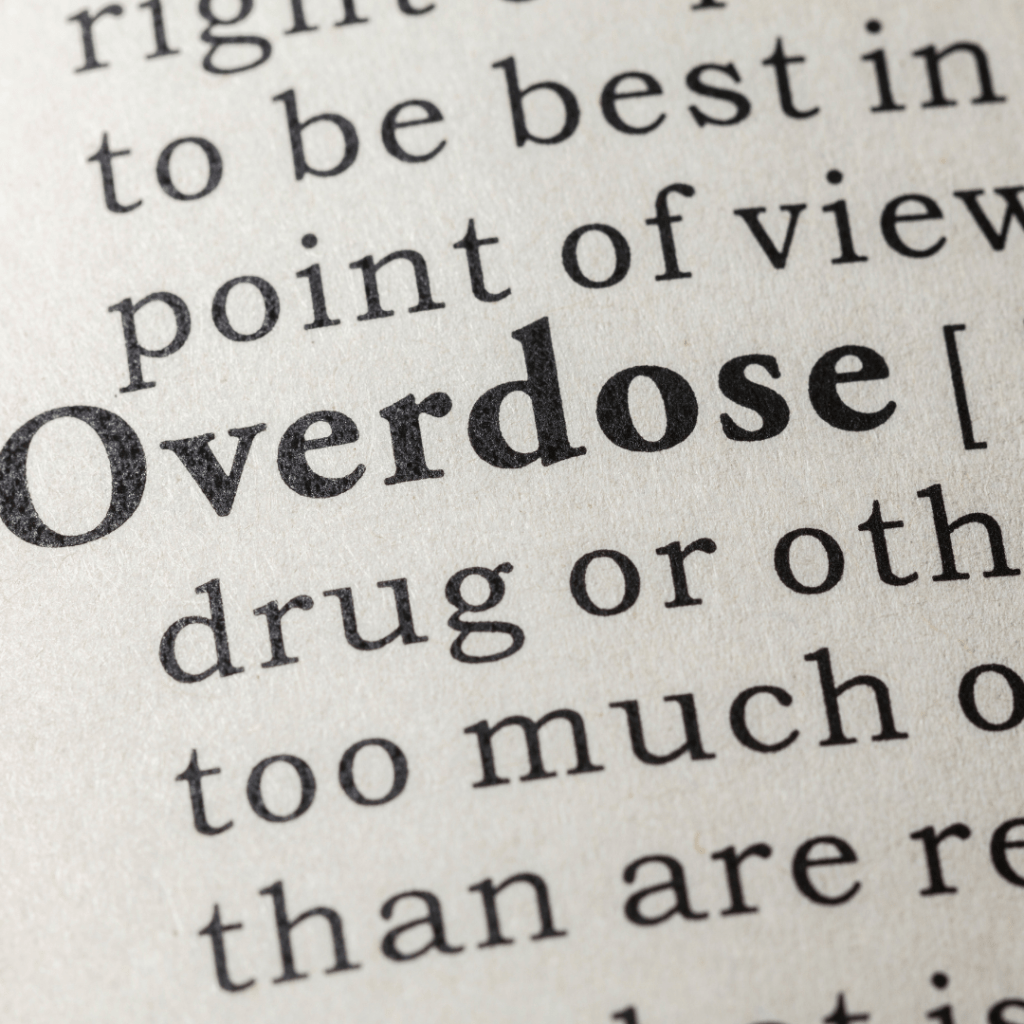
I Just Overdosed

On too much well-meaning advice

Ah, friends and family. Those well-meaning people in our lives who offer advice like candy on Halloween.

The problem?

 Taking in others’ advice is like sampling from an apothecary.

Opinions and Asses: Everyone’s Got One

Whether it’s when to leave a career or how to best file income taxes, opinions abound. We are not talking about those rare issues that offer very little gray area.

Nope. We are talking about those hem and haw mental challenges where we just aren’t certain what to do. Situations like:

  • whether to take a Gap Year after high school or head straight to university
  • plan a huge wedding or get married on the beach with only your immediate family and friends
  • have another child
  • change careers midlife

The Stealthy Side Effects of Advice

My issue was dealing with someone who was regularly hell-bent on making my life miserable. 

When we are in a painful or anxious place, we are more vulnerable to other’s well-meaning advice.

Everyone who cared about me offered up their opinions:

“Fight them in court.”

“Whatever you do, don’t go through the legal system. Only the lawyers win in court.”

“Ignore ‘em.”

“You need to see a therapist.”

“You don’t need a therapist. You need to go for a massage.”

“You need to keep busy and not think about it.”

The side effect of all of this mental and contradictory advice: my heart and head felt incapable of processing.

Here’s the danger of heeding others’ advice: the more you listen to others’ mental medicine, the less you can hear your own inner wisdom.

Word Drugs

It’s one thing to hear what another person has to say; it’s quite another to take in that advice.

Some of us are sensitive and not aligned (at the time — this too can always change) with our inner compass, so that even hearing the advice isn’t healthy for us.

When I’m not feeling centered, all I have to do is read the side effect warnings of a drug and the placebo effects begins.

But when we heed the opinions and suggestions of others, we are reneging our intuition to someone else. 

Accepting the opinions of others as your own is a form of mental ingestion. Digest enough of those varied words as yours and you’ve just mentally overdosed.

The Best Prescription

The best prescription when you feel uncertain about your next move is the one that arrives from within.

I’m not suggesting to stick your head in the sand like an ostrich (besides, that would be me giving you advice;-).

The best prescription is tuning into you. 

Maybe that means going for a walk or baking or meditating. Maybe it means drawing or taking a siesta for a couple of hours.

When we tune inwards for guidance, we find balance; we are better equipped to then hear the opinions of others without ingesting them.

Snowflake Humans

Humans are like snowflakes. Each of us is unique. And just like a snowflake, each of us is going to offer a perspective that is a one-of-a-kind-by-product from the alchemy of our environment and genetics:

Because a snowflake’s shape evolves as it journeys through the air, no two will ever be the same. Even two flakes floating side by side will each be blown through different levels of humidity and vapor to create a shape that is truly unique.-BBC

So, centered, it doesn’t surprise me that my friend who was, at one point, a victim of an abuser, gave me the advice to “Fight ’em in court.”

A family member who thankfully cannot relate to my situation but is perpetually burning the midnight oil, suggested I just “get a massage” and “don’t think about it.”

Everyone’s advice came from a loving place. But the verbal drugs they were offering were created in the lab of their own perspective.

Overdosing on others’ advice made me both fatigued and anxious. Without realizing it, “swallowing” their advice pills, I lost my way.

It wasn’t until I got quiet (lots of walks and naps:) that I realized what I needed to do — for me.

Signs of a Potential Overdose

Wondering what a potential Advice Overdose looks like? Here are some that I encountered:

  • anxiety
  • difficulty sleeping
  • irritability
  • difficulty concentrating
  • mental fatigue
  • upset stomach

Take Two and Call Me in the Morning

Joking — don’t take two of anything from me. (I’m not a doctor, though I play one on TV;-)

Be kind to yourself. Journal. Reflect. Take deep breaths. Do whatever you can to slow down and honor that voice always residing within you.

Our feelings offer a powerful guide in this life. When we slow down, we are more likely to pay attention and notice what feelings are coming up. Acknowledging them is the first step in finding the best self-prescription.

The Day She Snapped

And what we can do to prevent further meltdowns

Sometimes, it’s the kindest people who experience the harshest meltdowns.

A dear friend of mine is the mother of a teen obsessed with musical theater. For the past decade, despite working full time and having one other kid to raise, her son has participated in community theater that requires my friend to drive far and wide all over New York, often late at night. 

A Window View

The other day, I was on the phone with my friend when her son came into the car from another rehearsal. Here’s how the dialogue went:

Teen: I’m hungry. 

Friend: (handing him string cheese) Here you go.

Teen: No, I want McDonald’s.

Friend: You can get that tomorrow after your PSAT test.

Teen: What the f$%&! No, I’m not taking that. I don’t even need it. I have plans with my girlfriend tomorrow.

Let’s just say, I got off that phone as quickly as possible.

The Backstory

My friend is a single mom. Everything has been on her. As her son was growing, there were several small occasions when her son spoke down to her and my friend placated or ignored the disrespectful behavior.

My friend’s empathy for her son eclipsed her judgement.

For years, my friend would say:

“He doesn’t have a father. I feel so bad for him. I want him to know how loved he is and how much he matters.”

Creating a Monster

Just prior to her son entering the car, my friend confided:

“I snapped the other day. I couldn’t take it anymore. I’ve created a monster.”

All those years of yes-ing her son in an effort to make him feel like he mattered, prevented him from learning respect and appreciating another person’s perspective — in this case, his own mother.

The Snap

We humans tend to snap when there’s been a buildup of tension and frustration. We snap after a long time of undisclosed and/or unaddressed unhappiness or resentment.

Like a zit that’s just come to a head, the snap is a manifestation of pent up emotion that needs to come out.

My friend snapped after her son told her he was going to be changing high schools because it had a better musical theater program. 

There was no discussion; in his 15-year-old-mind, changing high schools was going to happen.

Friend: I will look into the high school program.

Teen: I already know I want to do it. There’s nothing to look into. This is my life, not yours.

On and on this dialogue went until my friend, inevitably snapped:

“You know what? You are a child, a minor. Do you not understand that? You know what, just forget it. You’re going to do what you want anyway. Just do it; just do it! GO — what are you waiting for?! I don’t care anymore. Just do whatever the hell you want.”

And the teen’s response:

“It’s okay. I don’t have to do it.”

The Aftermath of a Snap

My friend felt such guilt for snapping at her son.

“You should have seen the look on his face. He looked so scared of me. I feel awful about it.”

And yet, a day later, her son was cursing up a storm in front of her, sometimes at her. There was no:

  • Thank you for picking me up from theater rehersals.

or

  • Thank you for bringing me a snack.

The Thing About Snaps

Snaps don’t address the core issue (in this case: lacking respect for a parent).

Snaps are nothing more than the surface of an emotional iceberg. 

It’s no wonder her teen returned to dictating what would and wouldn’t happen regarding the PSAT and McDonald’s. The roles in their relationship were never addressed in my friend’s snapping.

Love isn’t a Doormat

Whether married or raising kids solo, parenting is not easy. But loving our kids does not mean letting them run the show. 

We wouldn’t give a kindergartner the key to our car. Yet when we placate our children with blind consent, contorting ourselves to please them, we are effectively putting them in the driver’s seat.

There’s Still Time

I don’t know what transpired between my friend and her son after I hung up the other day. I can only hope she:

  • didn’t get him McDonald’s
  • insisted he take the PSAT
  • is going to look into the new high school and not blindly consent

As long as her son is under her roof and a minor, there’s still time for the roles to alter.

Of course, its’ easy for me to see what’s happening: I’m not in the situation. I’m a mere observer. But I can relate to those moments when a need to demonstrate love to my children eclipsed my better judgement. 

Self-compassion

My friend is trying her best. We are all just trying our best in this life. The word compassion means: to suffer with and take action. 

Self-compassion is looking within, exploring the why behind our respective snaps and doing something about it. Sometimes that means saying no to your kid, even if that no will illicit a temper tantrum.

Better a temper tantrum from our kid now than a giant snap from us later.

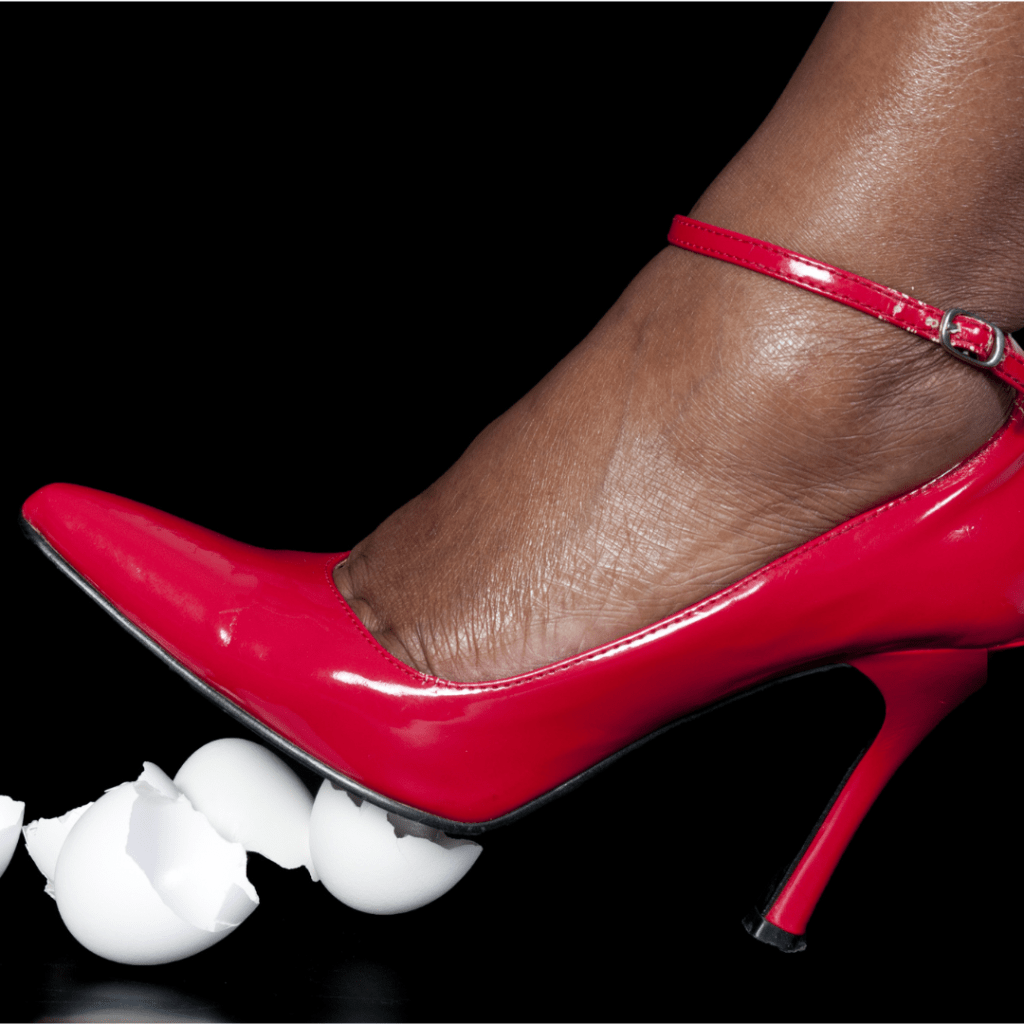
Walking on Eggshells?

When we tiptoe around someone to please them, we hurt ourselves much more in the process.

Intimidations. Threats. Manipulating facts. These are some of the tactics an abuser uses to maintain their control.

I know because I’m on the receiving end of it right now. Have been for over 7 years. It’s only getting worse.

Abusers are often the Sirens found in mythology: they woo their victims until they don’t know what hit them.

I think of a victim of abuse as a lobster in a pot, the heat slowly getting turned up, until they are boiled alive.

If you recognize the pattern I’m about to share with you, I strongly advise you to do whatever you can to get out of that simmering pot.

The Early Years

The love-bombing commences. The romance. The remembering of small details, the overflowing with thoughtfulness. The feeling that you are starring in your own Hallmark movie.

You’ve just entered the pot. The water is warm. It feels so damn good.

Sure, every once in a while the abuser will say something that gives you pause. But you are so in love with this person by now, you rationalize the pause away. You make excuses for some minor controlling behaviors.

The Middle Years

Welcome to life inside the pot that is now starting to feel very steamy.

Still, your Abuser is so good to you. Well, except when they’re not.

As the water starts to simmer, you find yourself feeling a little uncomfortable.

Because you’ve been in the relationship for a fair amount of time at this point, you’ve lost your way. Up is down and down is up.

Being in an abusive relationship is living like Alice down the rabbit hole. Nothing makes sense.

What’s worse, you don’t trust yourself any more. You’ve lost your inner compass, your sense of what’s wrong and right.

Besides, it’s not that hot in the pot. There are even days when it still feels good. So long as you don’t upset the Abuser who put you in the pot in the first place.

Abusers and Eggshells

Eggshells are delicate and can easily break. Abusers are the eggshells. Once we are past the love-bombing phase, it becomes the victim’s unspoken job to ensure they don’t hurt their “delicate” partner.

Well-worn phrases by Abusers are steeped in manipulation and guilt:

  • If you hadn’t done __________, I wouldn’t be in such a bad mood.
  • You are so naive. There’s no way you can do/handle ____________.
  • I treat you like a child because you act like one.

You may be told what clothing you can and cannot wear. What foods you can and cannot eat. You may have a curfew, even though you are an adult.

Again, guilt is a weapon to keep the victim in place:

“I only do this because I care about you, and it’s my job to protect you.”

Freedom’s Price

When I finally realized I was a lobster boiling in that pot, I did everything I could to get out of the relationship.

Abusers don’t like to lose. Especially ones without the capacity for self-reflection.

It’s years since I left my abuser. Years since I had to walk on eggshells in his presence.

Unfortunately, the attacks are still coming. When you have deep pockets and are an abuser, there are creative ways to continue bullying someone.

The price of freedom doesn’t guarantee the end of attacks.

But it sure beats losing your life to a boiling pot.

Freedom Over Eggshells

Looking back, I don’t recognize the woman I was with the Abuser. She was constantly walking on eggshells to please the Abuser.

Walking on Eggshells:

  • never satisfies the abuser
  • only hurts the victim of abuse more

Better to walk on those damn eggshells and be true to yourself.

When you realize that the abuser WANTS their victim to be fearful, guilt-ridden, on-edge, and gaslit, you start to wake up your inner compass.

So crack some eggs, walk with your head held high, embrace your beautiful self.

No, we can’t control what an abuser will do, but we are now free to live life on our terms.

Looking for Sweet Revenge?

Playing dead is the sweetest step in the sweetest revenge.

Maybe someone betrayed you. Manipulated you. Lied. Cheated. Insulted.

Whatever the flavor, someone hurt you and now there’s a surging flood of anger in your veins. You. Want. Revenge.

The “R” Word

When we fill wronged by someone, we want justice. We want them to feel what they made you feel. We want them to pay for their mistreatment and misdeeds.

But when we hunger for revenge, do we really know what we are asking for?

The word revenge comes with that nifty little prefix at the front: RE

re: back or again

Then there’s that solid root word in revenge: VENGE— a Latin word:

venge: protect, avenge, punish

Did You Hear Yourself?

Do you know what you are asking for with revenge? (GIPHY)

So, when you ask the Universe for revenge, you are essentially asking to experience punishment or a sense of vengeance again.

Think of revenge as a wound you keep picking: it’s only going to grow more irritated and bloody with time.

Now what about this idea of venge meaning protection? Are you really protecting yourself when you are punishing someone else? The fact that you are doing so “again” sounds downright exhausting.

The Cat and Mouse Game

I get it: you’re hurt. Angry. Hungry for justice. But we’ve already established that revenge — the idea of punishing someone else — will only inflict more pain back onto you.

Revenge is a cat and mouse game. You are the mouse. When you seek vengeance, you are only making the cat claw at you more.

The only way to end the cat and mouse game: to play dead. To surrender to the injustice, cruelty, mistreatment, and any other terrible behavior of the someone who has hurt you.

When we surrender to the what is of someone’s awful behavior, we are no longer dependent on them for peace.

Make no mistake: abuse of any kind is unacceptable. I am not saying: Allow this person who hurt you to keep hurting you. On the contrary, I’m saying:

Live your life. Focus on things and people that bring you genuine pleasure and happiness.

The cat only has power if you allow it to. Each time you get into the ring with the cat, the game will only continue.

Get out of the ring. Play dead.

Then you can enjoy your life. And what a beautiful life it is. The sweetest revenge is living your best life, filling it with appreciation for even the smallest of things: the sound of birds outside a window, the air you fill your lungs with.

When we let go of the need to justify our anger, life’s sweetness returns.

And when you feel angry, let it out to people you trust.

Don’t go seeking understanding from the source of your pain.

This life can be amazing and awful. It’s up to you how you choose to perceive it. How sweet is that?

—-

Under Attack?

The Friendship Diet

Discover the connection between food and relationships in my book: The Friendship Diet

Letting Our Kids Fail

And the invaluable gifts that arrive when we do

Sometimes, the best parenting involves letting go.

One of my kids is struggling. Struggling to make a decision. Afraid to make the wrong one.

The decision will effect the rest of his life. No one else’s. Not mine. Not his father’s. His life.

Fortunately, the decision is not life threatening.

“What do I do?” he asks me.

Finding Your Voice

We humans learn best through action. Sure, we can preach about what matters, the lessons we’ve learned from life, but ultimately, none of it sticks and penetrates the heart and mind like experiencing it (whatever “it” is) for ourselves.

We find our voice, our inner compass through trial and error.

My son wants me to tell him what to do, to take the stress over making a decision off of his shoulders.

But removing the burden of responsibility and choice from his psyche would thwart his growth in the long run.

The Gift of Biting Your Tongue

Do I have a strong opinion? Absolutely. And when he asks for this, I share it with him. But to advise him is to remove an opportunity for his self-awareness; to shove my opinion as fact upon him is to deprive him of self-discovery.

Much better for me to bite my tongue until I taste blood than navigate and discern the world for my teen.

So instead, I listen.

Cultivating Autonomy

My son struggled with the “what if” of his decision. I listened as he played out each scenario.

I listened.

By the time he was finished, he looked like a balloon that had lost all of its air.

“We can’t control the actions of others or life’s outcomes. We can only control our choices, moment by moment.”

Needless to say, he didn’t like my answer.

Yet, he did make a decision. From my vantage point, the decision is based in fear and steeped in a need for survival.

But it is not my place as a parent of a teenager to tell him what to do. Again, the decision he is making affects him alone and is not life threatening.

Regardless of his decision and my opinion of it, he has taken a closer step in his autonomy. 

There are already consequences of his choice out of fear. It is downright painful to watch. 

But when a toddler falls and cries, we kiss the boo-boo and remind them they can just “get back up.”

When there’s salt in my son’s wound, I comfort him, reminding him that he did the best he could based on what he thought at that time.

Humans are self-correcting creatures. When we allow our kids to self-correct, making adjustments based on new information, independence is fostered.

Cultivating Confidence

The consequences of my son’s decision is offering opportunities for him to make new decisions. Those decisions are continuing to be fear-based.

“I’m in survival mode,” he says.

Okay then. He’s doing what he thinks he has to do. I remind him there’s always another way. 

(Again: No one is in danger, nothing is life threatening and the consequences of his actions affect him alone.)

I can see the self-proclaimed “survival mode” in the tightness of his jaw, the rolling of his eyes if I even hint at broaching the subject. Translation: I know what I’m doing here.

There’s a confidence brimming inside of my son now. He knows he’s supported — simultaneously knowing I’m not in favor of his decision yet respect his choice.

Cultivating Trust

When we surrender to what we can’t control, (i.e. another’s decision), a bridge of trust is built:

  • The trust you foster for your child is returned to you.
  • The trust your child feels from you bolsters inner trust in themselves.

Caveats

I am not promoting trusting your teen to take illegal drugs until they “figure it out” nor am I suggesting a child decide on whether or not to treat a life-threatening condition.

Giving our children a chance to explore what works and doesn’t — while under our guidance — offers them the gift of self-awareness. 

Encouraging autonomy when the stakes are small, allowing them space to “fail” will offer first-hand experience in getting back up on their figurative (or literal) feet.

Behind the Curtain:

Life Backstage Tells a Different Story

The front row has nothing on the real drama backstage.

The other day I was venting to my sister about pressing financial matters.

“I guess I’ll just be working well into my 70’s.”

“You could be like those older ladies I see at Macy’s. They are at least that age and so adorable working there.”

My sister’s tone was genuine, making the delivery of her words sting that much more.

“Great idea! That’s always what I wanted to do late in life.” My voice dripped with sarcasm.

“I think it would be fun.” 

Now the gloves were off. Like a water hose finally unplugged, I unleashed my anger her way.

“Fun? How can you say that? Why the hell would I want to work at some meaningless job in retail out of necessity in my 70’s?!”

Behind the Curtain of Anger

My sister hadn’t done anything wrong. The anger I unfairly threw her way stemmed from a genuine fear of which her words had, inadvertently, fanned the flames.

Fear is the backstage entity often cloaked in anger. When we aren’t in alignment with ourselves, the slightest comment or action of another can be perceived as salt on a wound.

My sister had genuinely tried to comfort me. She, of course, could only do this from her own vantage point:

“I’d love to have a job like that someday. My career involves so much responsibility. I can’t imagine not working even after I retire, so doing something in retail part time would be fun.”

Wearing Someone Else’s Shoes Hurts

When we look for comfort from someone else, we need to remember that they:

  • only possess their own vantage point
  • are not responsible for the other person’s inner alignment

My sister can hear that I’m experiencing a fiscal crisis, but that is not the same as experiencing it. Likewise, I can hear my sister express her potential enjoyment at working in retail later in life, but I can’t make myself share this sentiment.

Asking someone to feel what you are feeling is like shoving your shoe onto someone else’s foot: it’s not going to fit and can be downright painful.

It’s important to know what you are asking for from that person in the first place. My sister was only sharing her thoughts on the idea of working in her 70’s.

 But I had never been clear about where I was standing: blazing, unfiltered fear.

Say Where You Are

I hadn’t acknowledged the intense fear and instead danced in front of the figurative curtain with haughty anger.

My attitude had been a defiant “Can you believe this bullshit?” but inside, behind the curtain, I was peeing in my pants.

How could we expect anyone to be there for us emotionally if we don’t tell them where we are emotionally?

Spend Time Backstage

After touring the backstage area of my psyche, I got real with the fear. 

When we spend time in the discomfort of fear, acknowledging its presence, and facing it head on, the fear itself dissipates. 

The fiscal situation is still there, but my spiritual awareness of the bigger picture has kicked in, and with it, I know that my health is the most invaluable gift there is and not worth sacrificing to the external (and temporary) reality.

Backstage is where fear likes to lurk; it is a stealthy entity, hiding behind anger. But when we face our fear head-on, peeling back the curtain to the what-ifs that plague our psyches, light pours in, leaving no room for fear to hide.